Can Old Tweets Show Up on Background Checks
A guide to whether and how background check companies find your X posts, what they actually look for, and how to remove risky tweets before a check starts.
What Background Checks Actually Scan
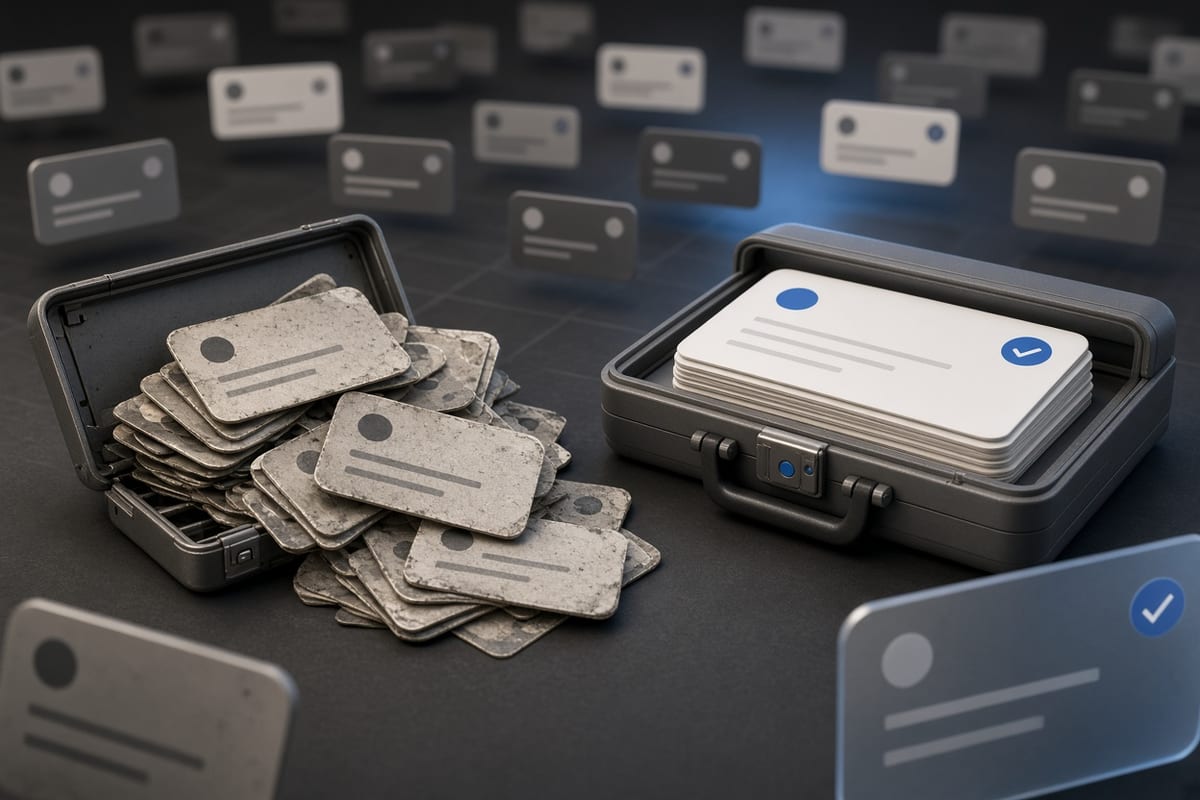
Most standard background checks for employment or rental applications do not automatically include social media. The check runs through criminal records, credit history, employment verification, and sometimes education. Social media is not part of the standard package unless the employer specifically requests a social media screening. That extra screening is becoming more common for roles involving public trust, finance, healthcare, or any position where an employee represents the brand publicly. Some background check firms offer a social media sweep as an add-on service, but it is never automatic.
When social media is included, the check usually scans public profiles only. Locked or private accounts are not accessed because the check cannot authenticate past the privacy wall. X posts that are visible to anyone without logging in are the ones that get collected. The firm may also run a search of your name and handle across platforms to catch anything posted from your account that is indexed by search engines. The check is a snapshot of what is publicly available at the moment of the search, not a historical archive of everything you ever posted.
What Background Check Companies Find First
Background check firms that scan social media prioritize certain types of content. The most common flags are hate speech, threats, harassment, illegal activity, violent content, and explicit material. Posts about political opinions that do not cross into harassment or threats rarely trigger a flag. Posts about personal struggles, mental health, or past mistakes are not what these firms are trained to report. They are looking for a pattern of behavior that signals risk to the employer, not your entire history.
The firms also look for discrepancies in what you told the employer versus what your posts show. If your resume says you worked at one company but your X timeline shows you calling in sick to interview elsewhere, that can be reported. Similarly, posts that reveal a serious addiction, criminal activity, or dishonesty are more likely to be flagged than an embarrassing joke from five years ago. The check is narrow and deliberate, not a comprehensive review of every post.
How Far Back Background Checkers Look
Social media screening tools used by background check firms typically pull the last three to five years of public posts. They do not crawl your entire timeline because X's API limits how far back a tool can reach. The standard API only exposes the most recent 3,200 posts, which for a moderately active user covers about two to four years. That means posts older than five years are rarely included in the report unless they are still ranking in search results or were screenshots or retweets that surfaced later.
That said, if you have been on X for over a decade, your oldest posts may still be accessible through search engines. Google indexes public X profiles, and posts with high engagement or unique keywords can rank indefinitely. So while the background check tool itself may not dig that deep, a simple Google search of your name and handle can surface older content. The risk is not uniform across all your history, but it is concentrated in the parts a recruiter can find with ten seconds of effort.
When Background Checks Start Before You Apply
Some employers and recruiters do an informal social media review even before a formal background check is ordered. They may look at your profile during the resume review stage to see if your online presence matches your application. This is not a report from a screening firm. It is a person scrolling through your public posts on their own device. That informal scan covers whatever is visible on your profile page at that moment, usually the most recent couple of hundred posts and your pinned tweet. It is quick, shallow, and subjective.
If you make it to the final round of interviews, the employer may then order a formal background check that includes social media. That formal check is more thorough and can access posts that are not visible on your profile page anymore due to scrolling limits. The formal check also searches your historical data through the API, which the informal scan does not. So you have two windows of scrutiny: the informal glance during the application phase and the formal sweep during the offer phase. Both can surface old posts, but the formal sweep has a longer reach.
Which Posts to Delete Before a Background Check
Start with anything that contains hate speech, slurs, threats, or harassment. These are the primary flags for any background check. Next, remove posts about illegal activity, drug use, or criminal behavior, even if they are old jokes or exaggerations. A post that reads like a confession to a crime is a hard pass for most employers. Also clear posts that contradict what you put on your resume, like complaints about your current job, disparaging remarks about your industry, or statements that suggest you are not qualified for the position you are applying for.
Then look at posts that contain personal information you do not want shared with an employer: medical details, relationship drama, financial struggles, or family disputes. While these are not automatic disqualifiers, they can create a negative impression if the hiring manager sees them. Finally, delete posts with outdated political or religious opinions that could be misread as extreme. You do not need to erase every opinion you ever held, but anything that reads as intolerant or inflammatory should go.
How to Bulk Delete Before a Background Check Starts
Deleting individual posts is impractical if you have hundreds or thousands to remove. Bulk deletion through X's API is the only way to clear a large volume within the limited time before a background check request. TweetSweep connects to your account via X's official API and deletes posts by date range, keyword, or engagement level. You can set a range for the last three to five years and remove everything that falls into the flagged categories. The tool respects X's rate limit of 50 deletions per 15 minutes, so a full timeline clear takes several hours to a few days depending on your post count.
Start the deletion as soon as you begin applying for roles, not after the offer stage. The informal scan happens early, and you want your profile clean before any recruiter looks at it. Do the cleanup in one pass rather than spreading it out over weeks, because partial deletion can leave a timeline that looks like you just removed something suspicious. A clean timeline is neutral. A timeline with gaps from selective deletion can draw more attention than the original posts.