Managing Your Digital Footprint: Strategic Tweet Deletion
Deciding what your public record should say, then clearing the parts of it that no longer serve your reputation or your privacy.
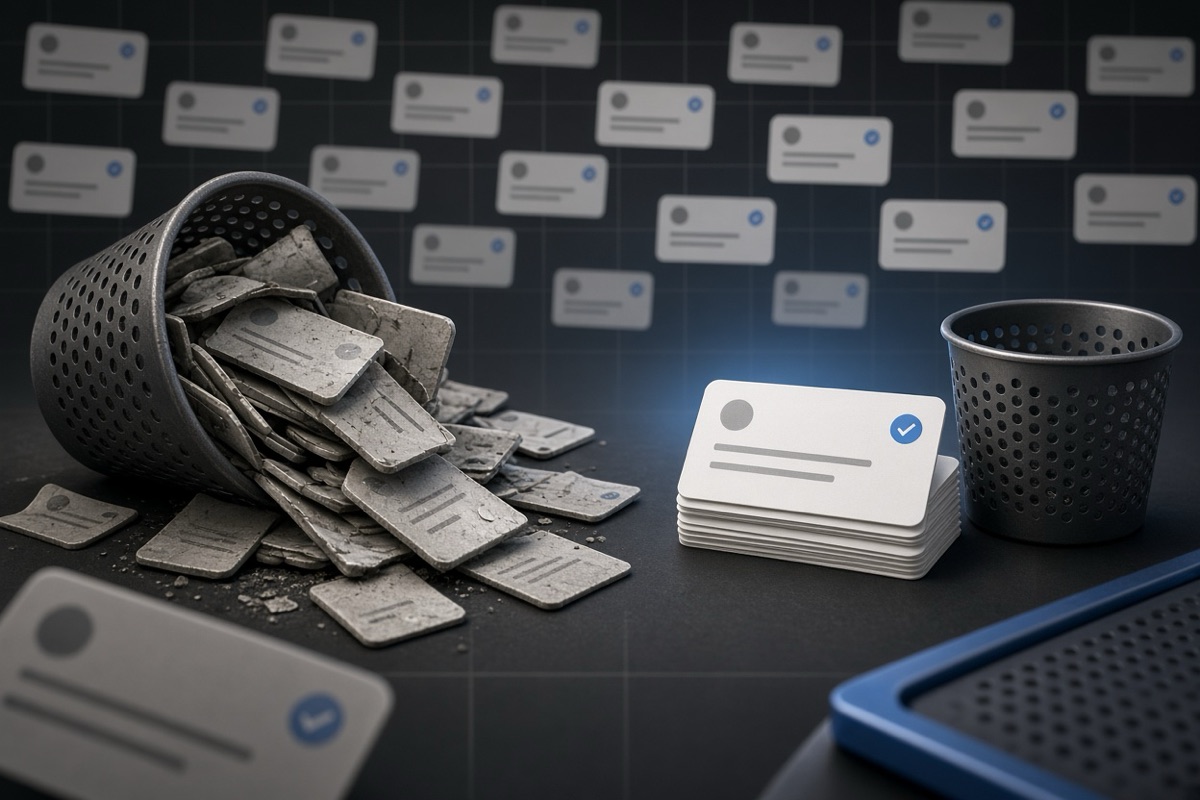
Defining Your Digital Footprint
Digital footprint: Your entire Twitter Activity It has every tweet, reply, retweet, like and any media you ever attached. Embedded location data in Twitter tweets, a timestamp to when and where you posted combined with metadata about posting also make up part of your footprint. While tracks can overlap and fade, this digital record is easy to search up and permanent. Your Twitter profile is one of the first results which comes up when someone searches your name. In a matter of clicks, prospective employers, journalists and even old acquaintances can see years worth of what you have done. Being cognizant of the fact that this footprint exists, and lives on is the first step toward intentionally managing it vs. letting it happen by accident.
At present, Twitter's API supports full timeline sync only for the most recent 3,200 posts. This means any tweets older than that threshold won't be available through automated tools unless they were archived beforehand. This ceiling lasts for years of activity in the case of most accounts. It also limits the number of deletion requests to 50 per 15-minute time window, per user. The only other action you can do on a post is delete it, this cost the same API request as reading one. This makes manual cleanup infeasible for anyone with a few dozen tweets or more. A strategy within these tenets works by honing in on the part of your visible footprint that is most important to your reputation.
Why Footprint Management Matters Now
A careless digital history can ruin a job — if your profession was ever regulated in any way, so that you face, say, most schools and universities in teaching; healthcare professions; anything involving government work or law enforcement. It's common practice for employers to search social media during hiring. When it comes to covering public figures, journalists and researchers scour years' worth of tweets. And beyond these contexts, there are also times when old tweets can come back and haunt us, such as in initiating relationship-building processes, negotiating business contracts, or ensuring the safety of personnel from harassment. The danger doesn't just Marjory Stoneman Douglas High School Review Committee spore from clearly abusive materials. Indulgent rants, stale takes or far too intimate personal information all serve to help construct a footprint that may not match your state today.
Digital records are permanent so to. The tweet can be dead in the public space, but it lives on in screenshots and archives and third-party tools. But when you take off content on your profile, you rob most searchers of the easiest access point. A cleaner footprint minimizes the potential for misinterpretation or misuse. It also indicates purposeful intent regarding your digital footprint. It is better to take ownership now than three years from now when an old tweet resurfaces in the face of their big opportunity. Cost of Authoring: It is a lot less stressful effort than the cost of just explaining or defending past posts under duress.
Types of Tweets That Strike Off Your Footprint
Twitter also poses a risk if someone tweets your personal information, like where you live, your phone number or where you work. Old checkins at certain locations can share movement patterns used for exploitation. This includes posts that contain identifying information on family members or travel plans. Content that doesn’t align with your current professional persona or values confuses those who research you. A tweet that was humorous in 2015 could seem reckless or prejudiced than in 2025. Actual opinions you have changed your mind on become permanent record of a previous form of self that is no longer representative of your thinking.
Negative or cynical content creates an exaggerated unfavourable perception of your character over time. One bad day, crammed into a tweet can take over the first impression on your profile. Years later some of the most damaging things we can say about employers, coworkers or clients would be considered unprofessional. To take a hot take on something controversial you have changed your mind about, or new data has caused you to think differently now creates unnecessary risk. Anything that would cause embarrassment if a family member, boss or client discovered it should go in the deletion queue. It's not about perfection; it's about stripping out that which does more harm than good to your digital legacy.
Strategic Rather Than Comprehensive Deletion
You do not have to delete every single tweet to Keep your footprint manageable Strategic deletion queries specific groups of dangerous or inaccurate information. Look for tweets from times when you were struggling, or angry or experiencing major change in your life. Eliminate anything deficient with your present values or that is inconsistent with your holistic professional presence. The first to go should be posts that share too many personal details about yourself or others. As for the rest, ask yourself whether that content is a version of you that you would be okay with anyone seeing.
It is receptive to the 3,200-post sync limit and 50-request-per-15-minute API cap. Rather than trying to purge everything from your record, you go straight for the content that is most obvious and most harmful. Search for tweets with your address, employer name, or hot button keywords using the search bar. Exclude content from periods where you have been at your most active or most vulnerable with date ranges. Delete audio/photo attachments that expose personal information or location data The upshot is a profile that suggests a purposefully active presence without having to completely scrub your digital footprint (which is impossible anyways).
Ongoing Digital Footprint Maintenance
You will not finish this project once and for all: managing your digital footprint You should evolve along so does your Twitter presence. Set an inspection every half a year to a year. When preparing to apply for significant opportunity — a new job, promotion or graduate program — conduct an audit of whatever you have online that may raise eyebrows. Clean up posts related to lifestyle changes — moving, career change, relationship break up. This ongoing maintenance keeps your footprint in line with who you are today, rather than letting it build up with outdated or unimportant stuff.
By limiting it to 50 requests every 15 minutes, batch deletion is manageable in the context of continued maintenance work. Removing a few dozen posts in a quarterly sweep is comfortably within the limits of the API. Target periods or topics using TweetSweep's date range and keyword filters, without going through every single tweet manually. We want to intentionally keep our footprint relevant. This habit gets fast and an automatic one over time. You stop worrying about old posts coming back because you know your profile is your best self. An hour each year is an investment up front to avoid problems down the road that can take several days to solve.
The Value Of Managing The Footprint, Over The Long-Term
It is far better to take control of your digital footprint now then to wait for the issues resulting from being unhedged later. You won't have to worry that some ancient tweets will come back to haunt you in job interviews, media relations, or background checks. If someone googles your name, you're not going to be embarrassed by what they find in your history. You will not need to defend beliefs you no longer hold. But more importantly, you are creating a digital legacy that you can actually be proud of. In years to come when people search for you, they will find a curated, considered representation of you instead of an unorganised file of every one of your thoughts that you have ever put down.
It also helps to keep your privacy and safety for the long term. The more you remove location data, contact information and other personal details, the less vulnerable you are to doxxing, stalking and identity theft. A cleaner footprint makes it more difficult for malicious actors to connect the dots of other people's lives from publicly shared posts. So a little intentional deletion, almost military-grade strategic thinking, and frequent maintenance are the recipe for a digital footprint that does actually reflect who you are and supports your long-term interests. This is impractical, except for the smallest accounts, without handling the API limits and bulk operations that TweetSweep takes care of for you.