Why You Should Delete Tweets Before Applying for Jobs
Employers do look. What they find, which posts cause the most trouble, and how long before you apply you should clear them.
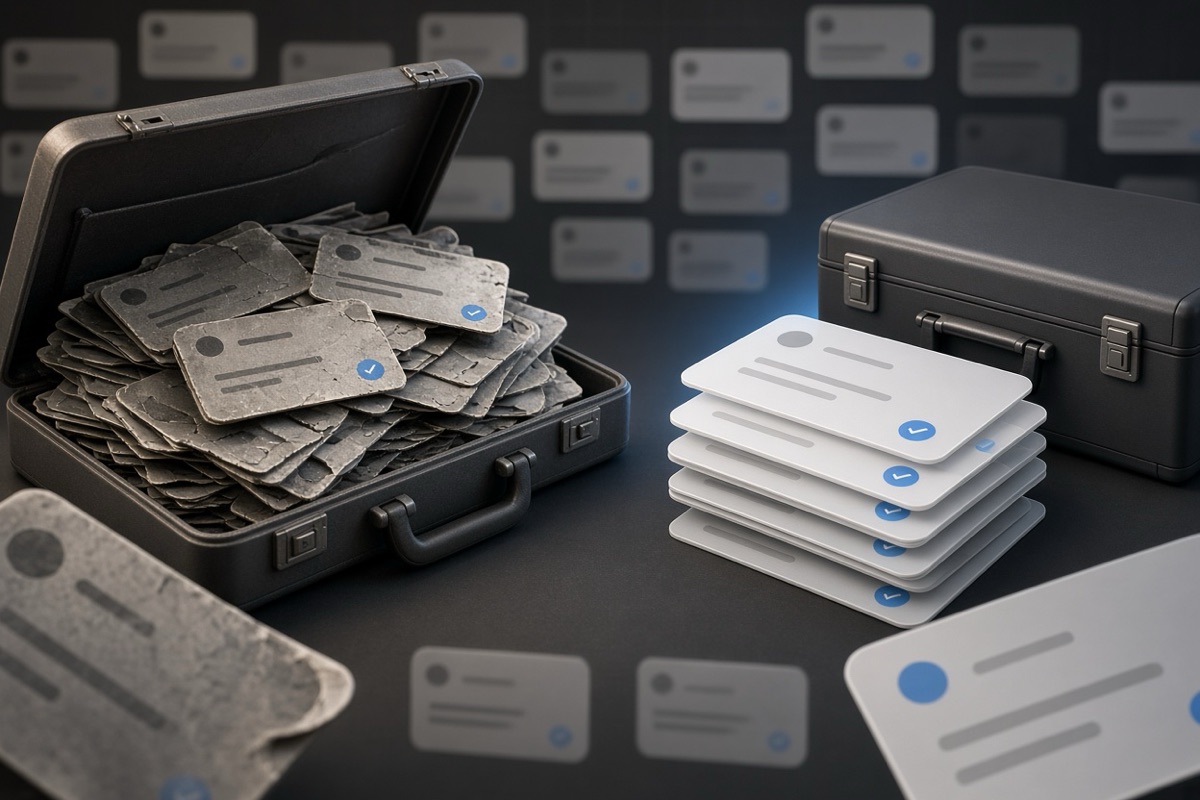
Employers Check Twitter During Screening
The job market has taken social media into consideration with 70% of employers checking on the prospective candidate's social media presence. The Twitter account you opened as a college student is part of your vetting process once you submit that resume. That means hiring managers and recruiters search for names they read on applications — and Tweets you've published can show up in these searches. The issue here is, screening is a quick and fast process, hiring manager scans your profile very quickly before forming some kind of impression. One single tweet, that reads like amateur-hour or gives you an unfixable reputation can put a quick end to your candidacy by the time you've even submitted your CV for review. It is also a fairly standard screening for most companies, from fledgling ventures all the way up to Fortune 500 firms.
Your Twitter history serves as an unofficial background check. Recruiters want to see that you fit with the company culture and values. They do not expect perfection, but they are looking for smoke signals of bad decision making. Nothing sends a clearer red flag than an actual tweet insulting protected groups, swearing at someone or coming up as radically centered on anti-political correctness. The tweet is stuck there forever even if you are better today than you were yesterday when you wrote those posts. Whoever is screening you has no context for your journey—they only sees what you posted publicly. This risk is completely eliminated by deleting tweets prior to applying.
Problematic Tweets That Disqualify Candidates
Some tweets matter more than others in the hiring context and are also the most likely to put you out of work. Obviously anything that specifically attacks a section of society, or individuals are red flags political statements racist jokes sexist jokes and posts about crime. Negative experiences (complaints about previous employers/workplaces) also are evident and recruiters will look at them as signals that you could be a difficult person to work with. Drowning in drunken tweets and party photos screams "unprofessional." And even sarcastic remarks about sensitive topics will miss their mark in the eyes of someone who does not know you. Any Tweet that fails to add to the mytho-poetic veneer of a competent professional must be banished.
Difficult-to-spot Tweeting also causes challenges. Using too much slang in your posts makes you come off as unprofessional. Looking back at hot takes on popular topics from years past can seem naive, even juvenile. Fighting with strangers in the replies shows aggression. Once someone left your feed, those memes based on inside jokes and allusions to controversial personalities failed spectacularly. The tweet you made when you were a teenager, joking about an identity-protected group is a forever liability. The safest standard: preserve only tweets you would be proud to feature on your LinkedIn profile. Delete anything from Twitter that you would not say in a job interview
Old Tweets Emerge During Background Checks
Twitter does not forget. Anything you have ever tweeted is there (until you delete it), even if it was months or years ago. As posts like these keep hitting the web, they also make their way to background check services and simple searches. Social media managers regularly scroll years back through tweets to evaluate a potential hire. Well, if a tweet from 2014 looks ancient to you, this one will appear with your current results in the search. The internet, however, weighs all content as if it was written only yesterday; the context of your life when you wrote it has been erased. Your "to make a joke" for your college friends is spam to a corporate office.
This means recruiters can see quite a bit of your history (if they opt to scroll) — thanks to the three thousand two hundred post visible ceiling on Twitter. Old tweets have been screenshotted, even if your account is protected. The safer way to do is delete tweets which no longer fits you. You do not control what others post, but you can control what stays on your timeline. Deleting posts from years ago takes away the content that can later be screenshotted. Able to pass a background check means there is nothing on the timeline. That is the only way to ensure that old content does not creep into a job search.
Twitter History Hurts Professional Branding
Your professional brand is what people think of when they hear your name — this can be employers, co-workers, or peers in your industry. Any ancillary Twitter history that contradicts the image you are trying to convey erodes away at that brand. But when a recruitment manager is reading thoughtful posts around industry trends next to your tweet about a dick joke from five years ago, they will wonder whether you have any judgment. The inconsistency undermines your credibility. And a clean Twitter feed makes for a stronger professional identity because it shows coalesced, deliberate you. Any public-facing tweet should serve a subtext that says in essence you are knowledgeable, professional, and worthy of hire.
Twitter is now also used as a litmus test by employers for thought leadership and engagement within the industry. Having an active account, with relevant commentary can definitely work in your favour. However, this effect disappears if older posts contradict your narrative in the present. A clever quip about the industry followed by again a post with racial slurs is sending conflicting information. A brand is only as strong as its weakest point. A few good things about deleting old tweets is that it eliminates such weak links and allows your newer, more professional content to shine. A timeline that tells a logical story about who you are today, as a professional.
Efficient TweetSweep Date Range Delete
So TweetSweep removes the need of having to go through every post manually in order to delete hundreds or thousands posts. You choose a time period, say all tweets from before 2020, and the service will wipe them again. This saves you the hassle of having to scroll through your whole timeline deleting post by post. The interface displays a calendar view through which you select start and end dates. The batch deletion is done using your account credentials thanks to TweetSweep. Cleaning up every tweet from the last 10 years takes minutes as opposed to hours. This tool does respect X's deletion limits, only deleting up to fifty posts every fifteen minutes.
It will also delete tweets containing certain keywords. This way targeting words in reference to politics, profanity or previous employers limits the clean-up to the worst offenders. It is helpful if you would like to retain new professional tweets and remove the earlier content that does not match your present goals. Keyword Filter: this scans your whole history and deletes posts which meet the criteria Now if you were to combine the method of filtering by date range and removing keywords, then you would be in full control of what is editable and what is not. TweetSweep simply works via your X account as it does not store either any of your credentials or tweet content. The process is confidential and causes no mark on your account.
A Clean Profile Offers Hiring Edge
A polished Twitter presence will make an impression on recruiters. An industry-relevant feed void of controversial content tells me that you know the professional norms. This level of scrutiny can help differentiate you from other candidates who may leave problematic tweets unprotected. Outbid the competition, the job market is fierce and any little edge counts. TweetSweep will take minutes of your time and cost you nothing for a clean profile! The rebates remove a key area of risk when hiring. While you cannot control what a recruiter finds on Google, you can assure they find only good things when searching through your own timeline.
Clean your history and keep it going forward. Write about your industry insights, share professional accomplishments, and add some insightful commentary on what you do. This kind of content shows your authority and signals to recruiters that your activity on Twitter is a good sign. The deletion process is not a one-time solution but the first step to a deliberate strategy for managing your online presence. You can control your own impression with a twitter feed that distills the best of who you are professionally. Use TweetSweep before every job search to make sure your social media has you covered, instead of exposing you.