Why Did Twitter Change to X?
The rebrand from Twitter to X: when it happened, who decided it, and what actually changed for users beyond the logo.
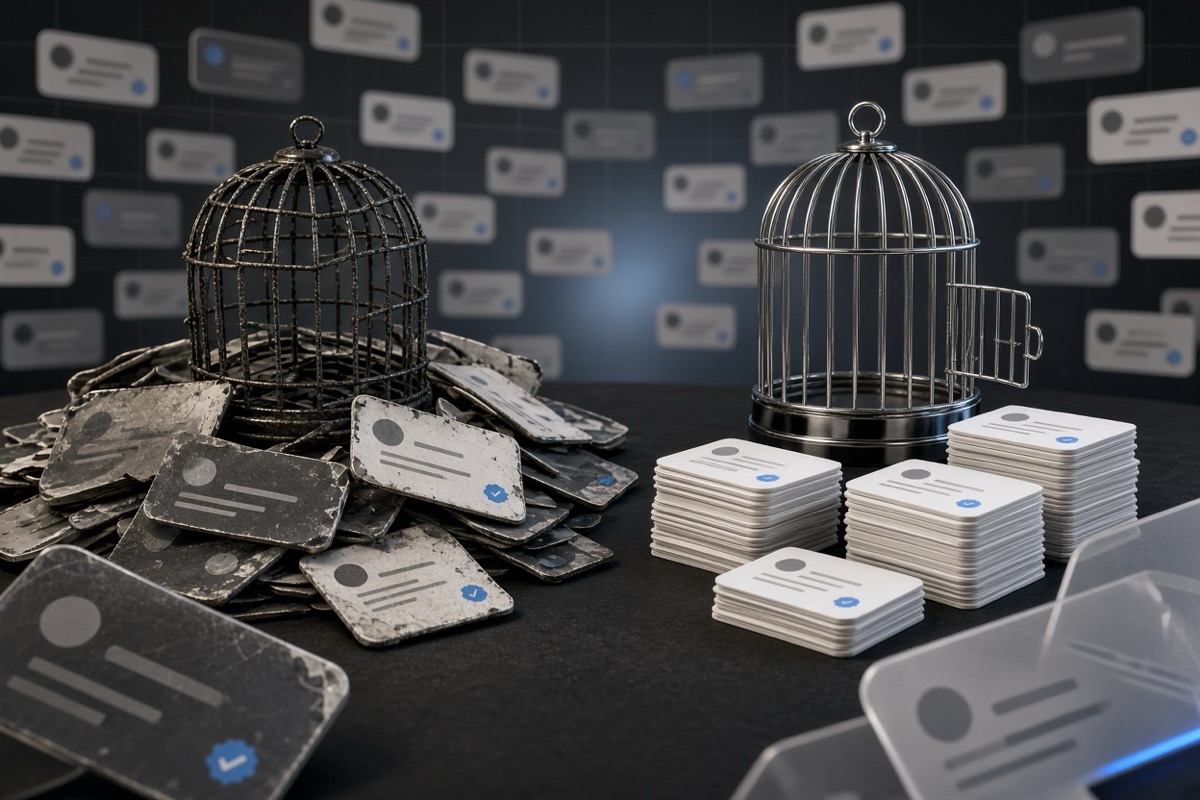
The Overnight Logo Swap
X (formerly known as Twitter) was launched on 23 July 2023. Over the weekend, blue bird exited from iOS icon, Android icon, browser tab & the glass of San Francisco HQ. A plain white X replaced it. twitter. com started redirecting visitors to x. com The second is the word tweet that had started to get replaced by inside the product with post. The announcement itself was published by Elon Musk himself. No dual logos, no long sunset campaign. The thrill of the actual bird sign vanished from that structure in a couple of days.
That Monday, anyone who turned open the app saw simply the same home timeline, the similar notifications tray and identical profile URL underneath the brand new badge. Bookmarks and lists were untouched. This was a name and picture change, not an account reset. That is the speed: why does this question still keep coming up, a global brand has been retired over a single weekend with very little transition for those already logged onto it.
The October Acquisition
Musk took over Twitter in October 2022 for about $44 billion. The close came after months of public negotiations as well as a court timetable. At the end of the deal he had ownership of the trademark, domains and product calendar. The rename waited nine months. During that time, the staff turned over, verification became a paid blue checkmark and expenses were slashed. So the bird was his to bust and that never made it all the way through the long board process that would have been standard at a company from ten years ago.
All that for forty four billion to acquire the user graph, the live conv debris firehose and a legal right to retire the name. The nine-month pause between close and rebrand was sufficient time for the new owner to decide that Twitter — as a word — could not stretch to cover the new products he wanted to pile on. This acquisition is what paved the way for the logo swap later. That close you trained on it or the bird would still be on that build.
The Everything App Argument
The reason given: Twitter had given one of its products a name — short public messages. Musk stated through a post on Twitter that he wanted payments, long-form video, hiring to be "in one place" along with messaging and audio loosely modelled on what WeChat became in China. That story got in the way of a name based on 280-character updates. X carried no such limit. He had used thw letter before. X.com was the payments company he founded and eventually morphed into PayPal. The letter makes it possible for him to point at that history and, simultaneously, a broader product.
This argument internally was that a user would eventually send money, engage in long video watching, make job applications and enter into an audio room without signing out of the same login. The combination of the bird and the verb tweet *locked* the brand to one format. X did not. Whether each component of that something-or-other app even shipped is a different story entirely. The name changed because the owner did not want the public story to be bigger than status updates, and he had already owned a letter that fit said story.
Discarded Brand Equity
Brand Analysts estimate that between 4 and 20 billion dollars are wasted. Twitter was one the most ubiquitous names on the internet. The bird was an international shorthand that required no explanation. Both were retired in days. Normal speech was far less hurried. Many people still point to it as a tweeted. Instead, we still see tweets in newsroom headlines. They kept the old verb — which was short — and still described what it did.
During that period, the company did not run years of replacement-wording teaching. Post is generic. The old language because it was still matching the behavior that users were doing in the compose box. Perhaps the biggest where things sit and don&039;t belong is the broken relativity between what appears on official paperwork, and what people actually use to refer to it — a last remnant of how quickly the swap occurred. That speed comes at the price of equity that is discarded.
Product Changes After the Name
The logo moved more than the product. Subscribers were given bigger posts and longer character limits. It also meant video consumed more real estate on a timeline. Another factor that impacts developers and researchers — the public API changes its tiers to paid ones. None of those transitions absolutely asked for the letter X, but they hit in the same timeframe below that new name.
As a subscriber, if you open the compose box today you can write well past that old character wall. Video preview stacks larger in the feed. That is the influence that changed those concrete screens. The free tier, however, is still a lot closer to the old product. That first everything-app is where the paid tier popped up Often people conflate both a name change and the feature split into one event purely because they landed together—although technically part of such limits was already created before any rebrand worked its way through.
The March xAI Fold In
X was merged in March 2025 into Musk's artificial intelligence company, xAI, in a stock-for-stock transaction. The social platform was absorbed into a wider AI collective instead of remaining as an independent company. You still sign in at x.com and see the same posts. The corporate parent changed. The X name now resides within that framework.
The fold-in did not delete old tweets, reset handles or -- most importantly -- remove everybody's followings. It pretty much locked the platform next to the other xAI products. If someone is checking an ancient account the important bit of information there is that the actual posts remained in their place. Ownership moved on paper. Neither did its public archive. The timeline we see here today is the same post-queue that existed before the deal was finally closed.
Unchanged Archive Since 2009
The archive was untouched by the rebrand. All of the writing from even as far back as 2009 is still in place under new brand. You are not history-less just because you have renamed your platform. Hardware-wise, replies, quote posts and media from the bird years load the same way they always did. Search still finds them. Others can still screenshot them. The handle is identical to the string it had in 2014.
Old posts are still stuck to the account even if it is turned into a fora job search, fresh new business or quieter public persona. The icon sports an X mark to imply that it is not hiding a 2012 tirade or a 2018 gag. But there was no one-click start-over when the bird came down. However, it is still a decision the account owner has to make whether to keep that history or get rid of it. That logo change of course did not make the choice for anyone.
A Date Range Cleanup
TweetSweep is for the pass that takes the parts you are done with, away. You pick a date range. It walks you down the timeline and scans through that window of posts, deleting as needed. That is a functional step if the rebrand left a handle that stands for, something else now. The logo may have disappeared, but the old tweets certainly did not. If the public record is intended to be in sync with the account used today, they need to intentionally destroy it.
Specify a date range that is fully outside the epochs to be removed. Run the job. Newer posts stay. The profile photo stays. The X logo stays. Removes only the history you picked that is dated. The only remaining thing other, than a name change, after that is the archive. It will still be there until this pass is performed.