Why Does Twitter Show My Old Tweets To Others - What You See vs What They See
What they are and why old tweets appear in search, timelines, and recommendations — And what you can do about it
How Old Tweets Of Yours Appear You Never Tweeted
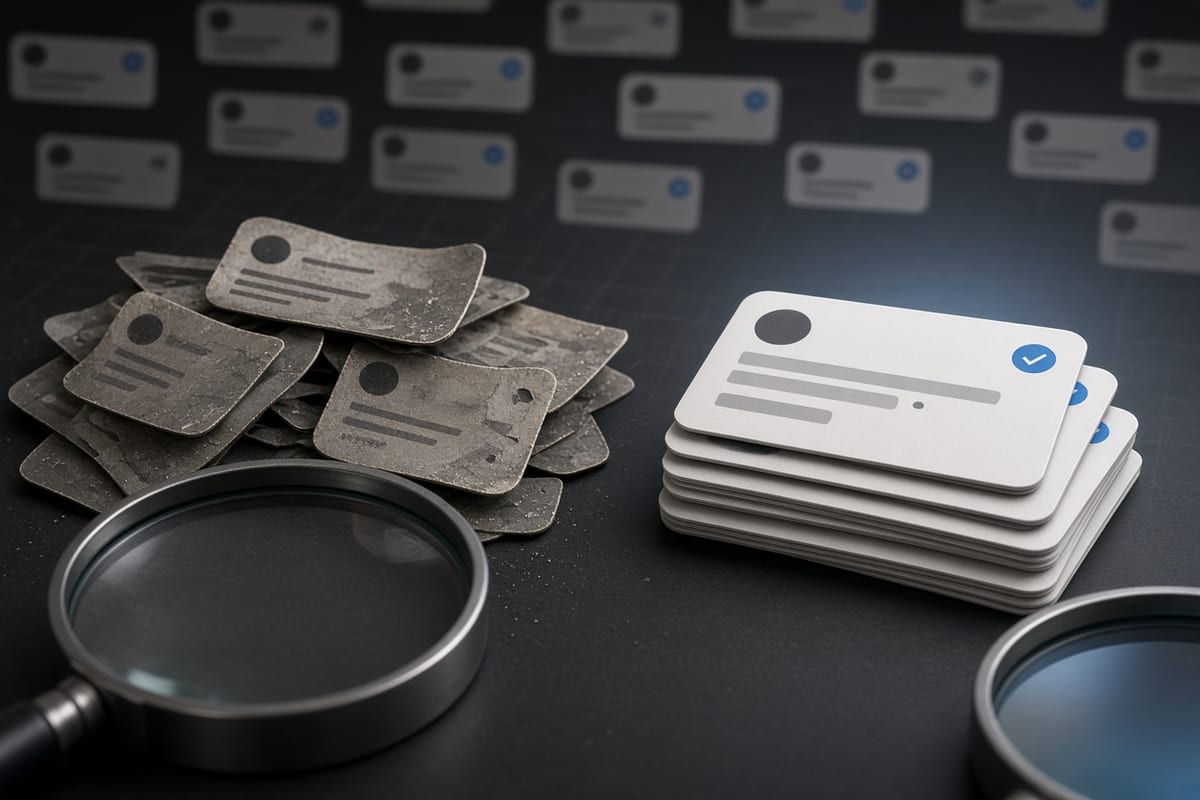
Offering an old tweet can land on another's screen very rarely means you did something. X's ranking mechanism brings back the posts that will gain popularity after months or even years of their publication. The algorithm rates tweets according to how fast they get engagement, and when a few hundred likes and replies come in very close together it makes the post appear new. That spike could come from last-minute news breaking, a retweet by an influencer with millions of followers [and/or] something trending in the hashtags that match your keywords to the tee. After the algorithm deems a post to be high-quality, it places that post at the top of home timelines and recommendation feeds for as long as it likes — even if you authored that piece two years ago and havenες touched it since.
A more widespread source is the For You feed. X combines posts from people you follow with fits based on your likes. It uses a feed of popular tweets without the constraint of recency. Tweet the oldie and have someone who follows your compatriot that interacted with it see your tweet show up in their feed. Whoever it is that sees you and engages with web content, they would see the like or retweet of some post. The stranger discovers your post — and with no context for when it was made (often they do not even notice that it is old). They might respond to you as if you've just posted it, starting a new fresh engagement loop of the algorithm pushing it further.
The Process of Discovering Your Old Blogs via Search
The most significant reason that old tweets pop up is because of search. The search index at X has all public tweets ever posted on the platform, not just new ones. Search engines sort results by their relevance and engagement to a specific search term whether that be a word, phrase or even a username. Your old tweet is placed on top of the search query above newer posts if your serial has liked or retweeted its post. This means if somebody goes go to search for something within a time period of 2021 for example, and relates that back to the subject matter you could have written on, months or even years later your post will be at the top of their searches (while you've moved away from that topic).
That is exacerbated by advanced search operators. "since:" and "until:" are pretty easy to weed, but no one really ever does. Business users enter a basic query and receive back both recent and older posts. Your aged tweet appears in their results just because it has the appropriate language. You cannot opt out of search indexing while remaining public. Delete the old tweet as the only way to prevent it from showing up in search result Deleting it drops it from the index (although there are still screenshots and so on).
X Tell You VS What Others See
It also requires that you understand because understanding why your old tweets come up requires understanding what you see versus what others do. You see your times in reverse chronological order on your own profile, meaning the algorithm is not reshuffling them. You see your last postings at the top followed by your old posts lower down, which can give you a sense of control. So, taking a tweet buried deep in your time-line would seem as very very difficult to find. That assumption is incorrect. Other people visiting your timeline do not view it chronologically. They seek out keywords, they click through links from quote posts, and they see your posts on the "For You" feed where even the date is hard to see.
If someone visits your profile, they scroll back from your most recent post. Just characterize their bias as an irrelevant relevancy; if they scroll far enough down to find your filthy old tweet, then they deserve whatever they get. But they do not need to. They can search for a specific term in the search bar at the top of your profile and only see posts that contain it. It is a commonly used feature when someone wants to see what you have said on a particular subject. The search bar on your profile searches within everything you have ever posted, and the results display in order of relevance most relevant first not latest last. It makes it easier for a non-friend of you to find your old posts about politics, work, relationship or anything else that you have moved on before you realize.
Why the Date Is Easy to Miss
One of the issues is that X doesn't highlight the date for individual tweets. When you see it in your timeline or through search, the date next to the handle is in small gray text. This can easily when when scrolling through on phone. A three-year-old tweet about hating this job looks identical to a similar tweet posted yesterday. Underneath that, the reader has no way to know the context, the mood or the life situation behind it. They interpret it as your live opinion. This is why old tweets get you in trouble. People are not looking for a timestamp, they see a statement and think it speak to who you are at this very moment.
The date is a little more prominent on the web interface, but still small. The date is presented on a relative time basis (e.g., 2016-12-01 00:00:00 will be shown as "3 years ago") in embedded tweets, which are commonly seen on news sites and blogs. That will help, but only if someone reads it. Most people skim. They read your message and take action right away. And they do not check the date first. If they do spot the date, it may well be too late. The tweet itself has already been passed around, screen-shotted. Another example is when someone has already seen a post before it has been commented on that the meme is old. And if deletion is the only real remedy we can offer, that simply because it eliminates misinterpretation in its tracks.
How You Should Handle When Others Dig Up Your Tweets
In addition to the algorithm and search, certain people are able to intentionally release your old tweets. For example, a user may browse your timeline and resurface something you posted when the earth was still in orbit.someWhen it hits the fan, we tend to go through each and every inch of our digital footprint one by one. Then they can go on to post that screenshot as a tweet, mentioning your handle. This is a classic move you see in debates, callouts, and even news outlets just wanting clicks. Not only is this post's date forgone, but the timestamp for when the screenshot was taken does not appear very prominently in images like shown in the original close quote image. The above is exactly what your screencap looks like — your words and your handle, and for most people, that is enough to make up their mind.
Posting a quote does the same as well. User discovers an old tweet, quotes posts it and shares it with their followers. Your Original Tweet The quote post will direct people to your original tweet, which means anyone who sees the quote can easily click through and take a look at your profile. This can trigger an influx of new visitors to your old content, which increases engagement and causes the algorithm to raise it even further. You cannot stop someone from quoting a public post of yours. The tweet itself is the only way to break this cycle. After its expiry the post is just a broken link, and all that remains of an original quote is a screenshot of an unattached copy.
How to Make Sure Old Tweets Stop Resurfacing
The only real solution is to remove old tweets that you no longer wish for them to be found. Deleting them manually, one at a time works but is painfully slow if you have years of posts to delete. X has a future limit of 50 deletes per 15 minutes, so deleting even any small account takes comfortably over an hour. This bottleneck is circumvented by bulk deletion tools, which perform the operation in compliance with and within the rate limit. You can filter their interface by tweet date range, keyword and engagement level, so you can focus on the tweets that are most likely to come back in your feed. You hold on to the posts you still a position on and remove those that you do not want to be found.
Before you begin unfollowing people, search your own timeline using the search bar on your profile and advanced search operators. Search on keywords you want to disappear from being associated with your name: exes, old jobs, political views you may no longer agree with anything cringe. Also images of your likes, because likes are public and can come on other people's feeds With a list of posts to delete in hand, load them into a bulk deletion tool and run it in batches (keeping to the rate limit). Once the deletion is finished, those posts disappear from search and the algorithm. Screenshots can still be made, but you cannot grow the problem because there is nothing original to propagate. Get it done ahead of the next resurface, not after Once a tweet, regardless of how old, is gaining anywhere near the traction it needs to become viral, the clock has already started running.